Floral Wreath Wedding Invitation Card
As an embroidery designer and product reviewer, I’ve seen my fair share of digital files—some that work seamlessly in real projects, and others that fall flat when stitched. The Floral Wreath Wedding Invitation Card is one of the latter. While it has a charming aesthetic, its limitations become apparent when you start thinking about how it will translate into actual embroidery work.
The First Impression: A Delicate But Limited Design
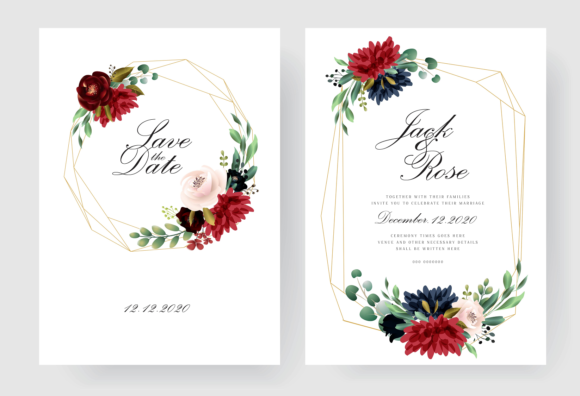
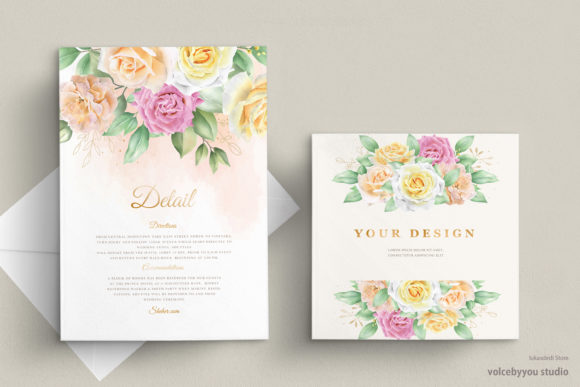
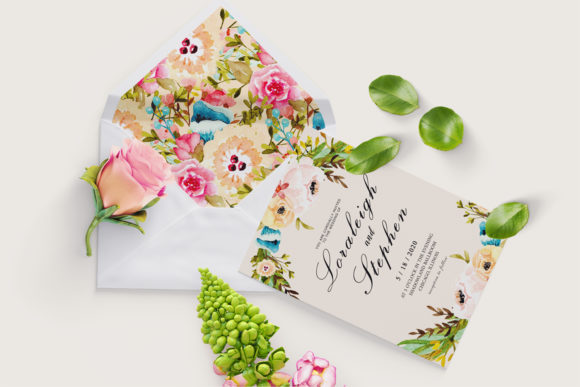
From the moment I opened the Floral Wreath Wedding Invitation Card, I was struck by its soft, romantic vibe. The wreath is elegant, with intricate petals and subtle detailing that suggests a traditional wedding theme. However, this design feels more like a decorative element than a functional embroidery file. It’s beautiful, but not necessarily practical for most real-world applications.
The layout is centered, which is great for symmetrical projects, but the overall scale is small. This makes it unsuitable for larger items like tote bags or sweatshirts unless you’re willing to scale it up, which can lead to loss of detail. The color palette is limited, which could be a problem if you’re looking for versatility in thread colors or fabric backgrounds.
Real-World Embroidery Use Cases
When considering where the Floral Wreath Wedding Invitation Card might shine, it fits best in smaller, high-detail projects. Think baby onesies, embroidered patches, or personalized handkerchiefs. These are areas where the design can stand out without being overwhelmed by fabric texture or movement.
However, trying to use it on a sweatshirt or tote bag would likely result in a design that looks too small or too delicate. The same goes for stretchy or textured fabrics, where the fine lines and delicate stitches may not hold up well. If you're an Etsy seller or small shop owner, this design might be better suited for a printable mockup rather than a downloadable embroidery file.
Where to Be Careful: Limitations and Challenges
One of the biggest issues with the Floral Wreath Wedding Invitation Card is its stitch density. The design relies heavily on satin and fill stitches, which can cause problems on thin or stretchy fabrics. Without proper stabilizer, the design may pucker or lose definition. This is especially true for dark fabrics, where the contrast between the design and the background may not be strong enough to make an impact.
Another concern is the size of the design. If your machine has a small hoop, you’ll need to break the design into sections, which can be time-consuming and may affect the overall look. Tiny lettering or detailed corners also pose a risk—these elements may not stitch out clearly, especially on curved surfaces like caps or hats.
Impact on Visual Appeal and Customer Perception
When it comes to visual appeal, the Floral Wreath Wedding Invitation Card is undeniably pretty. But beauty alone doesn’t guarantee success in the marketplace. For handmade products or personalized gifts, the design needs to be both functional and durable. If the design is too fragile or hard to stitch, it could lead to customer dissatisfaction, especially if they’re expecting a finished product that looks as good as the digital preview.
For commercial embroidery projects, the design may not offer much value. It lacks scalability and adaptability, which are key factors for businesses looking to maximize their return on investment. If you're an apparel decorator or a craft business owner, you'll want designs that can be used across multiple products and fabrics without compromising quality.
Practical Designer Notes: What to Check Before Using
If you're considering using the Floral Wreath Wedding Invitation Card in your next project, here are a few things to keep in mind:
- Test on scrap fabric first to see how the design looks and stitches out.
- Check thread color contrast to ensure the design stands out on different fabric backgrounds.
- Review stitch density to avoid puckering or distortion on delicate materials.
- Confirm hoop size to ensure the design fits your machine’s capabilities.
- Inspect small details like corners and lettering for clarity.
- Test in black and white mockups to see how the design translates without color.
- Compare light and dark fabric backgrounds to assess visibility and impact.
- Use proper stabilizer for delicate or stretchy fabrics.
- Check licensing before selling finished items or digital products.
Best Fit: Small-Scale, High-Quality Projects
The Floral Wreath Wedding Invitation Card is best suited for small-scale, high-quality projects where detail and aesthetics matter. It works well for baby items, embroidered patches, or custom apparel where the design can be the focal point. However, it’s not ideal for large, high-volume production runs or projects that require durability and flexibility.
If you're a digital product seller or a creative entrepreneur looking for something unique, this design might be worth considering—but only if you’re prepared to handle the limitations and test it thoroughly before offering it to customers.
Final Thoughts: Beauty Meets Practicality
In conclusion, the Floral Wreath Wedding Invitation Card is a design that excels in appearance but falls short in practical application. It’s perfect for niche projects where the focus is on elegance and detail, but it may not be the best choice for everyday use in a craft business or commercial setting.
As a designer, I always recommend evaluating a design based on how it will perform in real life, not just how it looks on a screen. The Floral Wreath Wedding Invitation Card is a good example of why that approach is essential. It may be beautiful, but it’s not universally useful—and that’s something every embroiderer should consider before investing time and resources into a project.