Sublimation Wood Background and Backgrounds
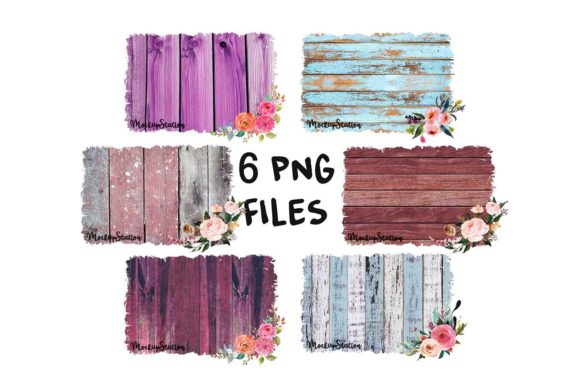
The first impression of Sublimation Wood Background is one of warmth and authenticity. Its natural grain patterns and subtle textures evoke a sense of craftsmanship and timelessness, making it ideal for content that aims to feel genuine and inviting. This graphic design asset has a lifestyle-focused aesthetic, leaning toward modern design with a touch of rustic charm. It works well for niches like home decor, wellness, lifestyle blogs, and creative entrepreneurship.
How Sublimation Wood Background Enhances Editorial Design
When used in editorial design, Sublimation Wood Background adds depth and visual interest without overwhelming the content. It serves as an excellent backdrop for blog graphics, especially when paired with clean typography or bold headlines. The texture provides a tactile quality that can make digital content feel more engaging and professional. For content creators, this asset helps establish a stronger visual hierarchy, guiding readers’ eyes through the page and improving overall readability.
For publishers, Sublimation Wood Background is a versatile tool that supports multiple publishing workflows. Whether designing a Pinterest pin, a social media graphic, or a website header, this background offers a consistent look that aligns with modern design trends. It’s particularly effective for content marketing campaigns where brand identity and visual appeal are key to driving engagement.
Real-World Publishing Applications
Sublimation Wood Background can be used across a wide range of digital products. As a blog featured image, it creates a strong first impression that encourages clicks and shares. In Canva templates, it provides a stylish base for users to build their own designs. For downloadable printables, it adds a premium feel that enhances the value of the resource.
As a digital guide or lead magnet, this background elevates the presentation of the content, making it more appealing to subscribers. In newsletter banners, it helps create a cohesive brand identity that reinforces trust and professionalism. When used in affiliate marketing visuals, it ensures that promotional content looks polished and aligned with the brand’s aesthetic.
Supporting Content Performance
One of the key benefits of Sublimation Wood Background is its ability to improve content performance. A visually appealing design can significantly boost click-through rates, especially on platforms like Pinterest or social media. By using this asset in article headers or thumbnails, publishers can increase the likelihood that readers will engage with their content.
It also contributes to better brand consistency. When used across multiple assets—such as website banners, social media posts, and email templates—it creates a unified visual identity that strengthens audience recognition. This consistency builds reader trust, making it easier for publishers to grow their audience and maintain engagement over time.
Where Sublimation Wood Background Works Best
This background excels in hero images, where it can serve as a striking focal point. It’s also ideal for article thumbnails, offering a unique and eye-catching alternative to solid color backgrounds. For Pinterest pins, the texture adds dimension and makes content stand out in a crowded feed.
In editorial accents, Sublimation Wood Background can highlight key sections of a post or guide, drawing attention to important information. As a content upgrade, it enhances the value of downloadable resources, making them more attractive to users. For category visuals, it helps differentiate sections of a website, improving navigation and user experience.
Where to Use with Caution
While Sublimation Wood Background is highly versatile, it may not be suitable for every use case. On small mobile thumbnails, the texture can become too busy, reducing clarity. In text-heavy blog images, it may distract from the main message rather than support it.
For serious professional niches or corporate content, this background might feel too casual or decorative. In websites with a minimal visual system, it could clash with the overall design. Publishers should carefully consider the context and audience before using it in such scenarios.
Publisher Notes and Practical Tips
Before finalizing any design, test Sublimation Wood Background on both desktop and mobile screens to ensure it looks good across all devices. Check how it appears as a thumbnail, and preview it within a real blog layout to see how it interacts with other elements.
Test the background with headline text to ensure contrast and readability. Try it in black and white to see how it performs without color. Place it beside different font styles—serif, sans serif, script, handwritten, and display—to determine which combinations work best.
Review the file size for web performance, and compress images properly to maintain fast loading times. Confirm commercial licensing before using it on monetized websites, affiliate pages, or paid content products. Always verify that the asset meets the requirements of your creative marketplace or digital download platform.
Conclusion: A Powerful Addition to Your Design Toolkit
Sublimation Wood Background is a valuable graphic design asset for bloggers, publishers, and digital marketers looking to elevate their content visuals. Its natural texture and warm tone add character to blog graphics, editorial layouts, and social media visuals, making it a great choice for lifestyle, wellness, and creative niches.
By incorporating this background into your design workflow, you can enhance your brand identity, improve content performance, and create a more engaging experience for your audience. Whether used in a digital guide, a Canva template, or a Pinterest pin, it brings a level of sophistication that supports professional-looking content across multiple platforms.